
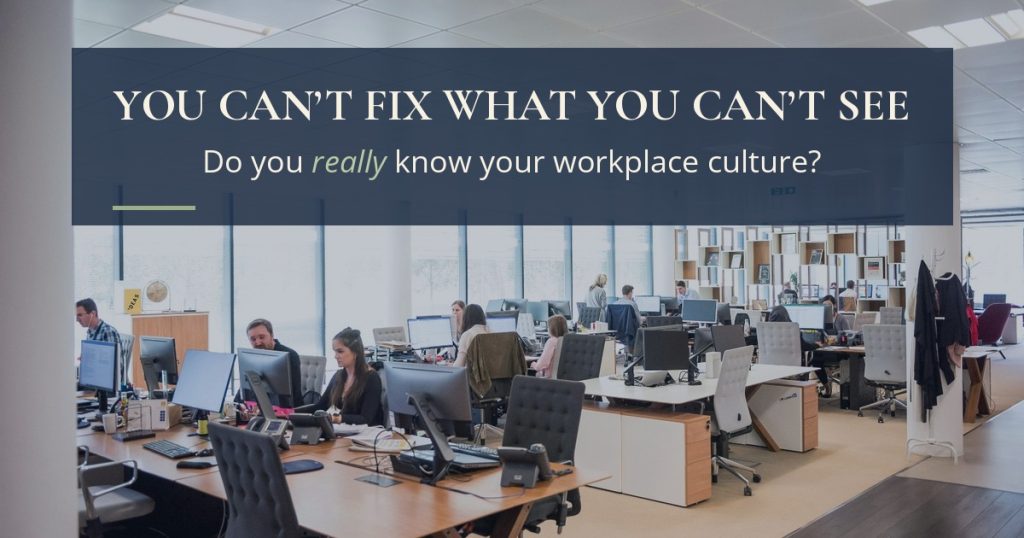
I spend a lot of time thinking about what leaders know about their organizations and what they may be missing, and how a culture pulse check can help. In conversations with executives, I often come back to a simple question: How much of what is happening in your workplace do you actually get to see? Leaders see the results, hear the updates, and make decisions based on the information available to them. What they may not see is how those decisions affect the people responsible for carrying them out, or how small frustrations can become everyday ways of working.
Perhaps a deadline changes, a new manager takes over, a process becomes more complicated, or the team takes on another responsibility without anything coming off its plate. Nowadays, more and more companies are integrating AI and automation processes. Each change may seem manageable on its own, yet the combined effect can influence communication, accountability, trust, and performance. By the time the consequences show up in missed commitments, turnover, or declining results, the underlying pattern may have been building for months.
This is one reason I believe a workplace culture strategy needs a regular way to check in with the people doing the work. Leaders need more than an annual employee survey or an occasional conversation in the hallway. They need a practical way to understand what is happening now, while there is still an opportunity to respond.
That is where a culture pulse check comes in.
What Is a Culture Pulse Check?
A culture pulse check is a short, focused assessment that gives leaders a snapshot of how people are experiencing their workplace. It can explore everyday conditions such as communication, clarity, accountability, respect, and whether employees feel comfortable raising concerns. The purpose is to help leaders recognize patterns in the work environment that may be affecting how people work together.
Gallup distinguishes brief pulse surveys from broader employee engagement surveys. Its guidance describes pulse surveys as a way to monitor the employee experience between larger surveys, particularly during periods of change or when an organization wants to understand whether a specific improvement is making a difference. Gallup’s overview of employee surveys explains how these different approaches can fit into an ongoing listening strategy.
Think about what can happen inside a growing business over the course of a few months. A company hires new employees, promotes a strong individual contributor into management, introduces a new AI system, and adjusts its priorities to meet customer demand. The business may be moving in the right direction, yet the people doing the work may be experiencing confusion about responsibilities, inconsistent communication, or uncertainty about who can make decisions.
A culture pulse check gives leaders a way to ask whether the workplace is functioning as intended. It will not explain every problem or replace a deeper culture evaluation, but it can help identify where a closer look is warranted. That is valuable information for a business owner who wants to understand why the team is working harder without necessarily getting better results.
Why Does Workplace Culture Need Regular Attention?
Workplace culture is shaped by what happens repeatedly. It shows up in how managers respond when someone makes a mistake, whether people follow through on commitments, how disagreements are handled, and what happens when an employee raises a concern that leadership would rather not hear. These everyday interactions establish what people can expect from one another, regardless of what the company values statement says.
Leaders can’t see everything that goes on in a workplace. I’ve worked with owners who were sure their people could solve problems on their own, and then the managers kept walking every decision back for approval. I’ve seen leaders who thought communication was clear, and the employees told me they got different instructions from different departments. And I’ve talked with managers who believed everyone knew what was expected. Ask the team, and each person had a different picture of what a good result looks like.
These differences matter because the way work is organized influences the way people behave. When expectations are unclear or decision-making authority is limited, even capable employees can spend valuable time seeking clarification, correcting mistakes, or waiting for approval. A culture pulse check can help leaders recognize these patterns before they become accepted as simply the way things work around here.
Regular listening is especially useful during growth, leadership transitions, organizational changes, and periods of sustained workload pressure. It gives leaders a chance to compare what they intended to happen with what employees are actually experiencing. That information can guide better decisions about management practices, communication, and the systems people rely on to do their jobs.
What Can a Culture Pulse Check Tell You?
The most useful questions focus on observable workplace experiences rather than broad statements about whether employees are happy. Happiness is important, but it does not tell a leader enough about what needs to change. A team can enjoy working together and still struggle with unclear accountability, inconsistent follow-through, or decisions that take too long.
For example, asking whether people know what is expected of them can reveal something about role clarity. Asking whether missed commitments are addressed fairly can help leaders examine accountability. Asking whether employees can raise concerns without being treated unfairly for speaking up can offer insight into how leadership responds to disagreement and difficult information.
Questions about respect, communication, and inclusion can also help leaders understand whether the workplace practices they expect are showing up in everyday interactions. The answers are particularly useful when viewed together. If employees understand their responsibilities but do not believe commitments are addressed consistently, the issue may involve management practices or the way accountability is handled across the organization.
The goal is to understand where the organization is working well, where experiences differ, and where a pattern deserves attention. A pulse check can provide direction for the next conversation, helping leaders move from assumptions to more informed questions about what the team needs.
Why Asking for Feedback Is Only Half the Job
Here is where I think organizations need to be especially careful. Asking employees for feedback creates an expectation that someone will do something with it. When leaders invite people to share their experiences and then nothing changes, the next request for feedback can feel like a waste of time.
Gallup makes this point directly in its research and guidance on employee surveys: surveys are most effective when they lead to meaningful action. Its research also identifies managers as responsible for a substantial share of the variation in team engagement, which makes their ability to interpret feedback and respond particularly important.
A 2021 systematic review published in Frontiers in Psychology, Following Up on Employee Surveys: A Conceptual Framework and Systematic Review, examined the follow-up process after employee surveys. The authors found that follow-up is an important part of using survey information for organizational development, yet it is often neglected in practice. Their review also highlights the importance of giving managers the resources and support they need to turn feedback into change.
I find that distinction important for leaders. A manager may receive feedback that the team is overwhelmed, yet have no authority to adjust deadlines, redistribute responsibilities, or change a process. Another manager may recognize a communication problem but lack the skills to address it with the team. In either case, the feedback identifies something worth addressing, but the work system may prevent the manager from doing much about it.
This is why leaders need to consider what happens after a pulse check just as carefully as they consider the questions themselves. Who reviews the results? Who has the authority to respond? What support will managers need? How will employees learn what leadership heard and what will happen next?
Sometimes the response will be a change in how work is assigned. Sometimes it will mean clarifying expectations or helping a manager develop better communication habits. There will also be times when a requested change is not possible. Leaders can still explain the reasoning, acknowledge the concern, and identify what they can do instead. People do not need every request granted to see that their input was taken seriously.
How Often Should Leaders Conduct a Culture Pulse Check?
There is no single schedule that works for every organization. Gallup describes pulse surveys as tools that are often used monthly or quarterly, depending on the purpose and the organization’s needs. The right frequency depends on what leaders are trying to understand and whether they have the capacity to respond to the results.
For a growing company experiencing frequent change, a quarterly check may offer a useful way to track how the employee experience is shifting. A team navigating a major transition may benefit from a more focused check-in during the change, followed by another once new processes are in place. A stable team may need less frequent formal checks, supported by regular conversations between managers and employees.
The important consideration is whether the timing allows leaders to notice meaningful patterns and act on them. Collecting feedback every month makes little sense if results sit unread for weeks or managers have no time to discuss them. A shorter assessment conducted at a manageable interval, with clear ownership and follow-through, is more useful than a demanding survey schedule that nobody can sustain.
A pulse check should also complement, rather than replace, conversations with employees and more comprehensive assessments when those are needed. A short questionnaire offers a snapshot. It does not provide the full context behind every answer, and it should not be treated as a definitive diagnosis of the organization’s culture.
What Should Leaders Do With the Results?
The first step is to look for patterns instead of reacting to one answer or treating every concern as equally urgent. Leaders can consider which areas are working well, where responses suggest inconsistent experiences, and which issues may be interfering with the team’s ability to do its work.
The next step is to discuss the findings with the people who can help interpret them. If employees report that priorities change without enough explanation, leaders need to understand how those changes are communicated and whether managers have enough information to guide their teams. If accountability appears inconsistent, the conversation should examine how expectations are set, how commitments are tracked, and whether the same standards apply across roles.
From there, choose a manageable area for improvement and make the response visible. That might involve clarifying who makes a particular decision, establishing a consistent process for communicating changes, or helping managers address missed commitments more effectively. The organization does not need to solve every issue at once, and trying to do so can make the entire effort feel overwhelming.
What matters is that the next steps are clear, someone owns them, and leadership checks whether the change is helping. When another pulse check is conducted, the results can provide an opportunity to revisit the issue and see whether the team’s experience has changed. Over time, this creates a more informed approach to workplace improvement, grounded in what people experience rather than what leaders assume is happening.
A Culture Pulse Check Offers a Starting Point
I created a short, free Culture Pulse for people who want to take a closer look at what is happening in their workplace. It is an opportunity to pause, consider the experiences people are having, and identify an area that may deserve attention.
You do not need to wait until employee turnover becomes a concern, a manager is struggling, or a major project goes off track to ask how the workplace is functioning. A regular check-in can help you recognize what is working and where the organization may be creating unnecessary friction for the people responsible for its results.
For leaders, the real value comes from connecting what they learn to the decisions they make. A culture pulse check will not solve a communication problem, clarify accountability, or improve a management practice on its own. It can help you see where to focus your attention, ask better questions, and choose a practical next step.
That is what a thoughtful workplace culture strategy should make possible. The goal is to understand how the workplace is functioning so leaders can make better decisions about the people, processes, and practices that drive performance.
If you’d like to try it, the free Culture Pulse takes about 3 minutes, and you’re welcome to start here.
Your workplace culture is already influencing how the business operates. The question is whether you are checking in often enough to understand what it is telling you.
Frequently Asked Questions
What is a workplace culture pulse check?
A workplace culture pulse check is a short assessment designed to help leaders understand how employees experience everyday aspects of work, such as communication, accountability, respect, and clarity. It provides a snapshot that can help identify patterns and guide practical improvements.
How is a culture pulse check different from an employee engagement survey?
A culture pulse check typically focuses on a smaller set of workplace experiences and provides a brief snapshot at a particular point in time. A comprehensive employee engagement survey generally examines a broader range of factors associated with engagement. The two approaches can complement one another.
How often should a company conduct a culture pulse check?
The appropriate frequency depends on the organization’s size, current challenges, and ability to respond to feedback. Quarterly checks may be useful for ongoing monitoring, while organizations navigating significant changes may benefit from more frequent, focused check-ins.
Why is follow-up important after a culture pulse check?
Follow-up shows employees that leaders take their input seriously. Reviewing results, communicating what was learned, assigning responsibility for next steps, and checking progress help turn feedback into useful organizational learning.
Can a culture pulse check improve workplace performance?
A pulse check can help leaders identify workplace conditions that may affect performance, including unclear expectations, inconsistent accountability, and communication problems. Improvements depend on how leaders interpret the results and address the underlying issues.