
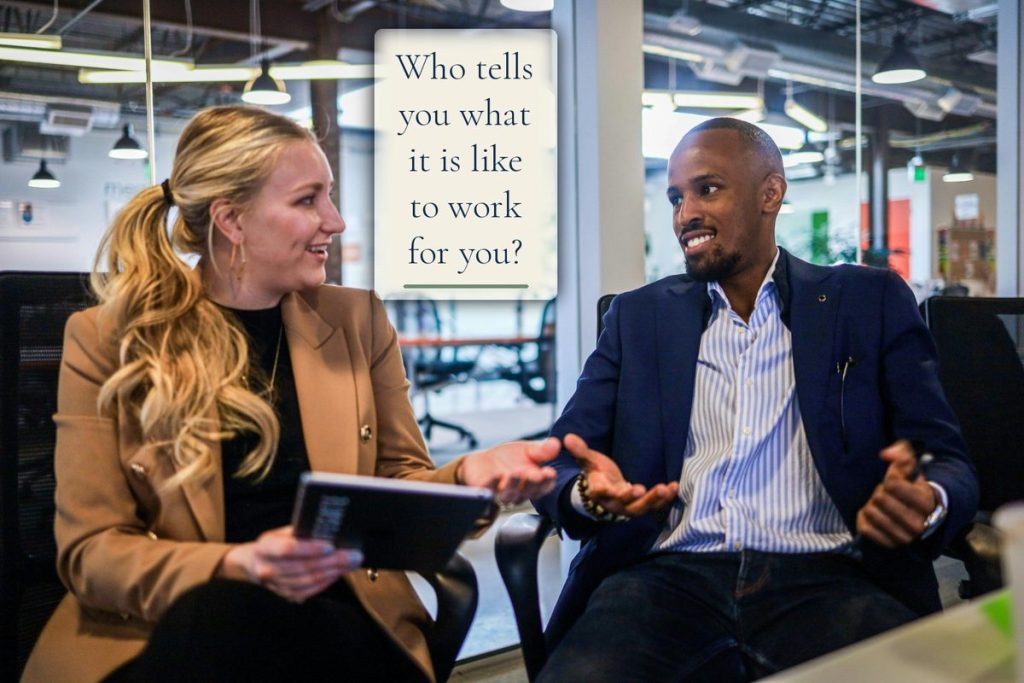
Why the person at the top needs someone who will tell them the truth.
I have spent a good deal of time working with leaders and observing what happens inside organizations when the person responsible for setting the tone has very little opportunity to examine their own leadership. In small businesses, this is particularly interesting. The owner is making decisions, managing employees, handling customers, watching the numbers, resolving problems, and trying to keep everything moving. Everyone looks to that person for direction. Yet who is looking at how that person leads?
Leadership coaching for small business owners gives the owner a place to examine their own behavior, communication, decision making, and responses under pressure. It also gives them someone outside the business who can challenge their thinking, ask questions they may not be asking themselves, and help them work through situations that affect their employees and business performance. This is an important part of a workplace culture strategy, particularly in a smaller organization where the owner's behavior has a direct influence on how people work together.
I think many business owners underestimate how much of the workplace experience in their business is shaped by their own habits. They may have a management team, an HR person, or a trusted business advisor, yet still have nobody who regularly challenges how they communicate, use authority, handle conflict, or make decisions when things get difficult.
What Happens When the Owner Becomes the Only Person With the Answers?
I see a recurring pattern in conversations about workplace culture. A business owner wants managers to take more ownership, employees to communicate openly, and people to become more accountable for their work. Those are reasonable expectations. The question I often come back to is what happens when someone actually tries to do those things.
Does the manager have the authority to make the decision, or does everything still come back to the owner? Can an employee disagree with a decision without worrying about how the owner will respond? When someone makes a mistake, does the conversation focus on correcting the problem, or does it become about who is responsible? What happens when the owner is frustrated, under pressure, or simply having a difficult day?
These everyday interactions teach people how the organization actually operates. Employees pay attention to what happens when someone speaks up, how decisions get made, and whether expectations change depending on the circumstances. Over time, those experiences influence communication, accountability, trust, and employee engagement.
Gallup reports that managers account for at least 70% of the variance in team-level employee engagement. That finding tells us something about the influence leadership behavior has on the employee experience. For a small business owner, it also raises an important question: Who is helping you examine the leadership behaviors that affect your managers and employees?
Gallup's research on manager development provides additional context.
Why Leadership Coaching Matters for Small Business Owners
When I work with leaders, I pay attention to the relationship between what they expect from their employees and what their own behavior communicates. There can be a considerable gap between the two.
An owner may want managers to make decisions independently while continuing to step in and change those decisions. They may expect employees to bring problems forward while responding defensively when someone raises a concern. They may want accountability while allowing certain people to operate under different expectations.
These patterns have consequences. Managers become hesitant to make decisions. Employees begin to wait for direction. Problems take longer to resolve, and the owner becomes increasingly involved in the daily operation of the business. Eventually, the owner may feel that nobody can handle things without them.
I believe this is one of the most overlooked reasons small businesses struggle to grow beyond the owner's direct involvement. Leadership behavior influences how authority is used, how responsibility is distributed, and how comfortable people feel making decisions.
Leadership coaching creates an opportunity to work through these patterns. In private, one-on-one coaching, I work with a leader to examine specific situations, understand their own responses, consider how those responses affect others, and identify what needs to change. We might work on a difficult conversation, decision making under pressure, communication with a manager, emotional intelligence, or the transition from being the person who does everything to the person responsible for leading others.
The work is connected to what is happening in the business. We look at actual conversations, decisions, relationships, and management challenges. We also revisit what happens after a leader tries a different approach. That follow-through matters. Knowing what to do and consistently doing it when the pressure is on are two different things.
Leadership Coaching and Workplace Culture Strategy Belong Together
One of the things I have come to understand through my work in organizational culture is that leadership development cannot be separated from the daily experience of employees. The way a leader thinks, responds, communicates, makes decisions, and uses authority becomes part of the operating culture of the organization.
Leadership coaching focuses on the individual leader. Leadership development is the broader work of building leadership capability throughout the business. That may include manager training, leadership programs, coaching, communication development, and changes to how responsibility and authority are distributed.
For a small business, these efforts need to connect. An owner can work on becoming a better communicator, for example, while managers continue to operate without clear decision making authority. The coaching has to account for what is happening around the leader as well as what is happening within their own leadership practices.
This is where a workplace culture strategy becomes important. It looks at the relationship between leadership behavior, management practices, employee experience, and business performance. It also considers whether the organization gives people the structure and authority they need to do their jobs.
I often encourage owners to look at what their employees are experiencing alongside their own leadership development. My free, three-minute Culture Pulse Check is a starting point for reflecting on communication, trust, accountability, and the everyday experience of working in the organization.
What Should You Work on With a Leadership Coach?
The best place to begin is with something happening in your business right now. Perhaps you have a manager who keeps coming to you for decisions you believe they should be making themselves. Maybe you have an employee who has become increasingly quiet, a difficult conversation you keep putting off, or a management team that struggles to work through disagreements.
Some owners come to coaching because they want to become more effective communicators. Others want to improve their emotional intelligence, manage their reactions under pressure, or develop the confidence to address performance concerns directly. I also work with leaders who are moving from being the primary expert in their business to leading a team of people who are responsible for different parts of the operation.
These situations require more than a conversation about leadership theory. They require looking at what the leader actually does when faced with a difficult situation and determining what needs to change.
A good coaching relationship should give you room to think, challenge your assumptions, and examine your decisions without having to manage someone else's reaction to what you say. It should also include clear goals and a way to evaluate whether your leadership practices are changing.
When considering a leadership coach, ask about their training, experience, approach to confidentiality, and experience working with business owners. Ask how they connect coaching conversations to real workplace situations and how progress is reviewed. You should be able to explain what you are working toward and what you expect to see change in your own behavior.
The Person Leading the Business Needs Feedback Too
I think about this often when working with small business owners. They carry a tremendous amount of responsibility, and many have built their businesses through years of hard work, personal sacrifice, and a willingness to make decisions when nobody else could. Those same habits can become difficult to change when the business grows and other people need room to lead.
An owner who has always been the person with the answers may need to learn how to step back. Someone who built a business through personal involvement may need to become more comfortable distributing authority. A leader who values direct communication may need to examine how their tone and timing affect whether employees are willing to speak honestly.
This is where I see leadership coaching making a difference in the work of building a stronger organization. It gives the owner a regular opportunity to examine their own leadership while considering the effect their decisions and behavior have on the people responsible for running the business.
The culture of your business is influenced by the way you lead, especially when things get difficult. If you want your managers and employees to change how they work, you need to be willing to examine how you lead.
A more useful question for business owners is this: When was the last time someone challenged the way you lead, and what did you do with that feedback?
As I reflect on this, I believe leadership coaching deserves a place in the way small businesses think about growth. Owners invest in accounting, technology, marketing, and professional services to help their businesses operate more effectively. Leadership deserves that same attention. The decisions you make and the way you work with people affect the entire organization.
Leadership Coaching at Human Culture Works
I offer private leadership coaching through Human Culture Works for business owners, emerging managers, and experienced leaders who want to improve how they lead. My approach incorporates behavioral science, emotional intelligence, and practical workplace experience. We work on the situations you are actually dealing with, including communication, difficult conversations, decision making, managing pressure, and developing stronger relationships with the people you lead.
Coaching is available virtually to leaders in Phoenix, Arizona, and throughout the United States.
If you are wondering whether leadership coaching would be useful in your business, I invite you to schedule a conversation with me. We can talk about what is happening in your organization, what you would like to change, and whether coaching is the right place to start.
Frequently Asked Questions About Leadership Coaching
What is leadership coaching for small business owners?
Leadership coaching is a confidential, one-on-one working relationship focused on how an individual leads. For small business owners, coaching provides an opportunity to examine communication, decision making, emotional intelligence, conflict management, and leadership behavior. The work centers on real situations happening in the business and includes identifying changes to make and reviewing progress.
Why do small business owners need leadership coaching?
Small business owners often carry responsibility for business decisions, employee relationships, management, and daily operations. They may have few opportunities to receive honest feedback about their own leadership. Coaching gives owners a regular place to examine their behavior, work through difficult situations, and consider how their decisions affect managers, employees, and business performance.
How does leadership coaching improve workplace culture?
Leadership behavior influences how employees communicate, raise concerns, make decisions, and take responsibility for their work. Coaching helps leaders examine the behaviors that shape those experiences and make changes to their own leadership practices. Those changes can contribute to a stronger workplace culture when they are supported by clear expectations, appropriate authority, and consistent management practices.
What is the difference between leadership coaching and leadership development?
Leadership coaching focuses on one individual leader through private, one-on-one work. Leadership development refers to the broader effort to build leadership capability throughout an organization. It can include manager training, leadership programs, coaching, and other development activities. Coaching can be one part of a company's larger leadership development effort.
How long does leadership coaching take?
The length of a coaching relationship depends on the leader's goals, the situations being addressed, and the amount of change being worked on. Some leaders begin with a specific management or communication challenge, while others want ongoing support as they develop their leadership capabilities. I recommend establishing clear goals at the beginning and reviewing progress regularly.
Where can I find leadership coaching in Phoenix, AZ?
Human Culture Works provides private leadership coaching for business owners, emerging managers, and senior leaders in Phoenix, Arizona, and across the United States through virtual coaching. You can learn more about leadership development coaching or contact me to schedule a conversation.